Why You Should Seal Gaps to Stop Mice Before Winter Hits
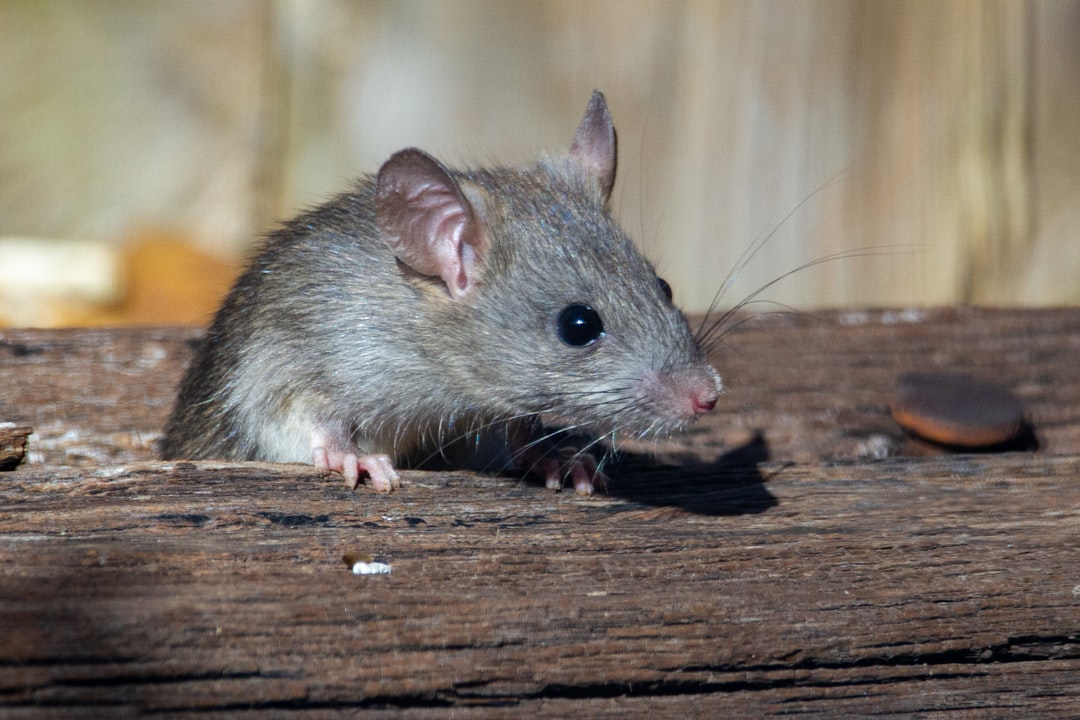
Mice are not the kind of houseguest you want to discover after they have already settled in. They chew through wires, contaminate food, and leave droppings that can carry disease. By the time you hear scratching in the walls or find gnawed boxes in the pantry, the problem has usually been building for weeks. The smartest move is to get ahead of it. The most effective way to do that is to seal gaps to stop mice before they ever find a way inside.
I have worked in pest control for years, and I can tell you that almost every mouse problem starts the same way. A house looks tight from the outside, but up close there are openings you would never think to check. Gaps around pipes, cracks in the foundation, spaces under doors, even the tiniest separation where siding meets trim. A mouse can squeeze through a hole the size of a dime. That is not an exaggeration. Their skulls are collapsible, and their bodies are built to flatten and squirm through impossibly tight spaces. If you have not walked the perimeter of your home with a flashlight and a critical eye, you are probably missing several entry points.
Understanding the Scale of the Problem
A single mouse might not seem like a disaster, but mice are not solitary creatures for long. They breed fast. A female mouse can produce up to ten litters a year, with five or six pups per litter. That means one mouse in your attic in early fall can become a full-blown mice infestation by spring. They bring fleas, ticks, and bacteria. They urinate constantly, which can trigger allergies and asthma in sensitive individuals. And they chew. They chew on electrical wiring, which is one of the leading causes of house fires blamed on rodents. So the stakes are higher than just finding a few droppings in the kitchen drawer.
The key is prevention. And prevention starts with understanding where mice get in and then closing those routes. That process is called rodent exclusion, and it is the foundation of any serious rodent-proofing plan. Trapping can catch the mice that are already inside, but if you do not seal the entry points, more will keep coming. You are playing a game of whack-a-mole that you cannot win. The better approach is to seal gaps to stop mice permanently, and that requires the right materials and a little patience.
What You Need to Do an Effective Job
You cannot just grab any old caulk and hope it works. Mice can gnaw through soft materials like standard foam or basic caulk in minutes. I have seen them chew through expanding foam that was not formulated with rodent deterrents. That is why professionals rely on a combination of materials, each suited to a specific kind of gap.
For larger holes, say around a pipe where it enters the wall or a gap in the foundation, you need something that is physically impenetrable. Copper mesh is my go-to for these situations. It is a woven metal fabric that mice cannot chew through. It does not rust or degrade like steel wool can. Steel wool works in a pinch, but it corrodes over time and mice can eventually pull it loose. Copper mesh stays put and lasts for years. You stuff it into the hole, then cover it with a sealant to hold it in place and block drafts.
For smaller cracks and seams, a high-quality silicone caulk or polyurethane foam is appropriate. But not all foams are equal. There is a product many pros use called Great Stuff, which is a polyurethane foam that expands to fill gaps. It is excellent for sealing around window frames, baseboards, and small foundation cracks. But you have to be careful. If you use it on a gap that a mouse could squeeze through, you should back it with copper mesh or hardware cloth first. Foam alone is not a guarantee. Mice can and will chew through it if they are determined.
Weatherstripping is another critical piece of the puzzle. The gap under an exterior door might look small, but it is often big enough for a mouse. Install a good quality weatherstripping sweep on the bottom of the door, and check the seals around windows too. If you can see daylight under the door, a mouse can get in.
You might also need hardware cloth for larger openings, such as vents or crawl space entrances. Hardware cloth is a galvanized wire mesh that you can cut to size and screw into place. It is strong enough to keep out rodents but still allows for airflow.
How to Inspect Your Home Like a Pro
Start outside. Walk the entire perimeter of your house, looking at the foundation, the siding, and the roofline. Pay close attention to areas where utility lines enter the house. Cable TV, gas, water, and electrical lines all create openings. Look at the corners where the foundation meets the siding. Look at the attic vents and the soffits. Use a flashlight. Shine it into every crack and crevice. If you see light on the other side, that is a hole that needs sealing.
Inside, check the kitchen, the basement, and the attic. Look behind appliances, under sinks, and along baseboards. Check the areas around pipes under the bathroom vanity. Mice often come up from the crawl space through gaps around plumbing. If you have a drop ceiling, check the corners where the ceiling tiles meet the wall. Mice can travel along the top of the wall and drop down into the room.

Do not forget the garage. Garage doors rarely seal tightly, and mice can slip in under the gap. If the garage is attached to the house, they can then move into the living space through gaps in the wall or around the door that leads into the house. Seal the garage perimeter just as thoroughly as you seal the house itself.
When to Call a Professional
Some homeowners can handle this themselves, especially if the house is well-built and the gaps are obvious. But there are situations where you need a trained eye. A professional pest control company like Hiwassee Pest Control in Cleveland, TN, specializes in rodent exclusion and structural repairs. They have experience identifying hidden entry points that most people miss. They also have the tools and materials to do the job right the first time. If you have a persistent mice infestation, a company that offers a service guarantee is worth considering. You want someone who will stand behind their work and come back if the mice find a way through.
Professional rodent-proofing often includes integrated pest management, which means they look at the whole picture. They do not just seal gaps to stop mice; they also recommend habitat modifications, like keeping firewood away from the house, trimming back shrubs, and sealing garbage bins. They might also set up trapping as part of the initial cleanup to remove any mice that are already inside. Then they seal everything and monitor for new activity.
The combination of trapping and exclusion is the most effective approach. You remove the current population and then make sure no new ones can get in. That is what separates a quick fix from a permanent solution.
Maintenance and Long-Term Thinking
Sealing gaps is not a one-time task. Houses settle. Wood expands and contracts. Caulk dries out and cracks. New openings can appear over time, especially after heavy rain or freezing weather. It is smart to do a quick inspection every spring and fall. Walk the perimeter. Check the attic. Look for signs of gnawing or droppings. If you find a new gap, seal it right away before the mice find it.
I have seen too many people do a thorough job of sealing their home, only to let a small crack go unaddressed the next season. That one crack is all it takes. Mice are relentless explorers. They will find the weak spot. So stay on top of it. A little maintenance goes a long way.

If you live in an older home, you might find that the foundation has settled in ways that create large gaps. Sometimes the sill plate is rotted or the siding has pulled away. Those are structural repairs that need to be addressed not only for pest control but for the integrity of the house. A pest control professional can advise you on what needs fixing and what can be sealed with the right materials.
In my experience, the homeowners who succeed at keeping mice out are the ones who take a methodical approach. They do not just buy a can of foam and spray it around. They assess each gap, choose the right material, and install it carefully. They seal gaps to stop mice at every potential entry point, and they check their work afterward. It is not glamorous work, but it is effective. And once you have done it, you will notice the difference. No more scratching in the walls at night. No more droppings in the drawer. No more worrying about what might be living in the attic.
Mice are not going to stop trying to get in. They are driven by instinct to seek warmth, food, and shelter. Your job is to make your home as unwelcoming as possible by closing every route they could use. That is the essence of rodent exclusion. It is a battle of persistence, and the right tools and knowledge put the advantage on your side.